The Art of Rest and Recovery: Beyond Just Sleep
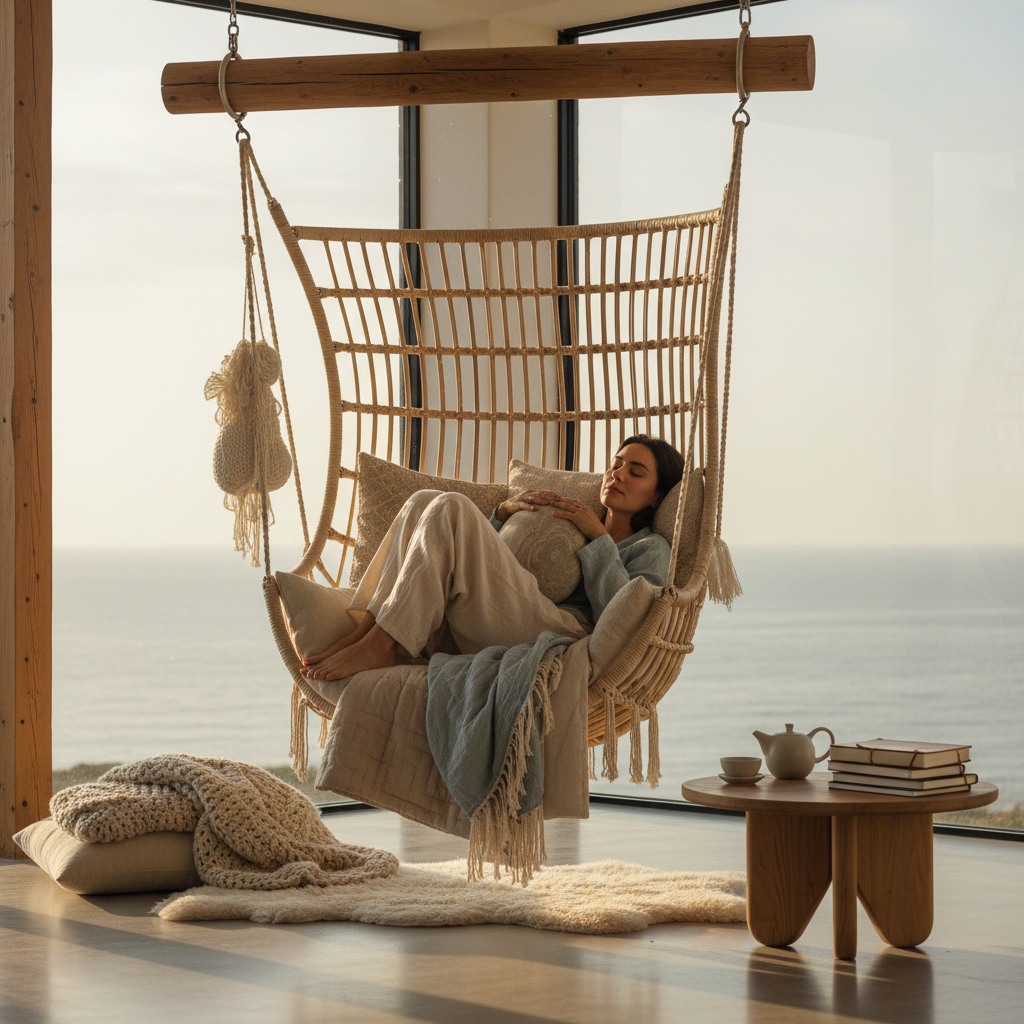
While sleep is the most critical form of recovery, it is not the only one. True rest involves the cessation of various types of exertion—physical, mental, sensory, and social.
In our "always-on" culture, we often confuse leisure with rest. Scrolling through social media may be leisure, but it is not rest for the eyes or the brain. Understanding the different types of recovery is essential for maintaining long-term vitality and preventing burnout.
Comparative Matrix of Recovery Types
| Type of Rest | The Exertion | The Restorative Action |
|---|---|---|
| Mental Rest | Deep focus, decision making | Short breaks, daydreaming, walking |
| Sensory Rest | Bright lights, loud noise, screens | Silence, darkness, closing the eyes |
| Emotional Rest | People-pleasing, hiding feelings | Authentic expression, journaling |
| Social Rest | Social interactions, networking | Solitude, spending time with close allies |
Active recovery is another important concept. This involves low-intensity movement, such as walking or gentle stretching, which promotes blood flow and helps clear metabolic waste without adding significant stress to the body. Balancing periods of intense activity with both passive and active recovery is the hallmark of a sustainable, active lifestyle.